How the HMDD Label Fosters Community Through Its “Happy Memories Don’t Die” Ethos
Instead of starting out as just another tagline mill, the brand grew from a short expression — happy memories don’t die — and this in time turned into the core motivation behind a apparel brand built on enduring meaning over seasonal trends. At a time when most companies race after the upcoming release schedule, HMDD chose to root itself in a one guiding thought: that the joyful moments in a person’s life are worth wearing, not just remembered. That decision has molded all aspects of product design all the way to how the brand engages its shoppers online.
In 2026, what draws attention about this approach is HMDD’s consistency in staying true to it. Fashion labels often water down a original mission once growth pressure sets in, swapping meaning for volume. Instead, HMDD clothing has committed even more, threading the line across sweatpants, shorts, and outerwear as a consistent theme rather than a one-off marketing hook. That repetition is exactly what turns a slogan into a shared marker — a signal wearers spot in one another before a even one word is exchanged.
“Happy Memories Don’t Die”: The Backstory
Functioning much like a pledge, the line works. Memories can blur with time, images go missing, but a soft pair of sweatpants worn during a specific summer, or a hoodie kept from a college trip, carries a memory you can hold in a way a phone photo can’t match. HMDD built its entire brand language around this idea, and it comes through in product naming, packaging language, and social captions that consistently return to the same underlying feeling.
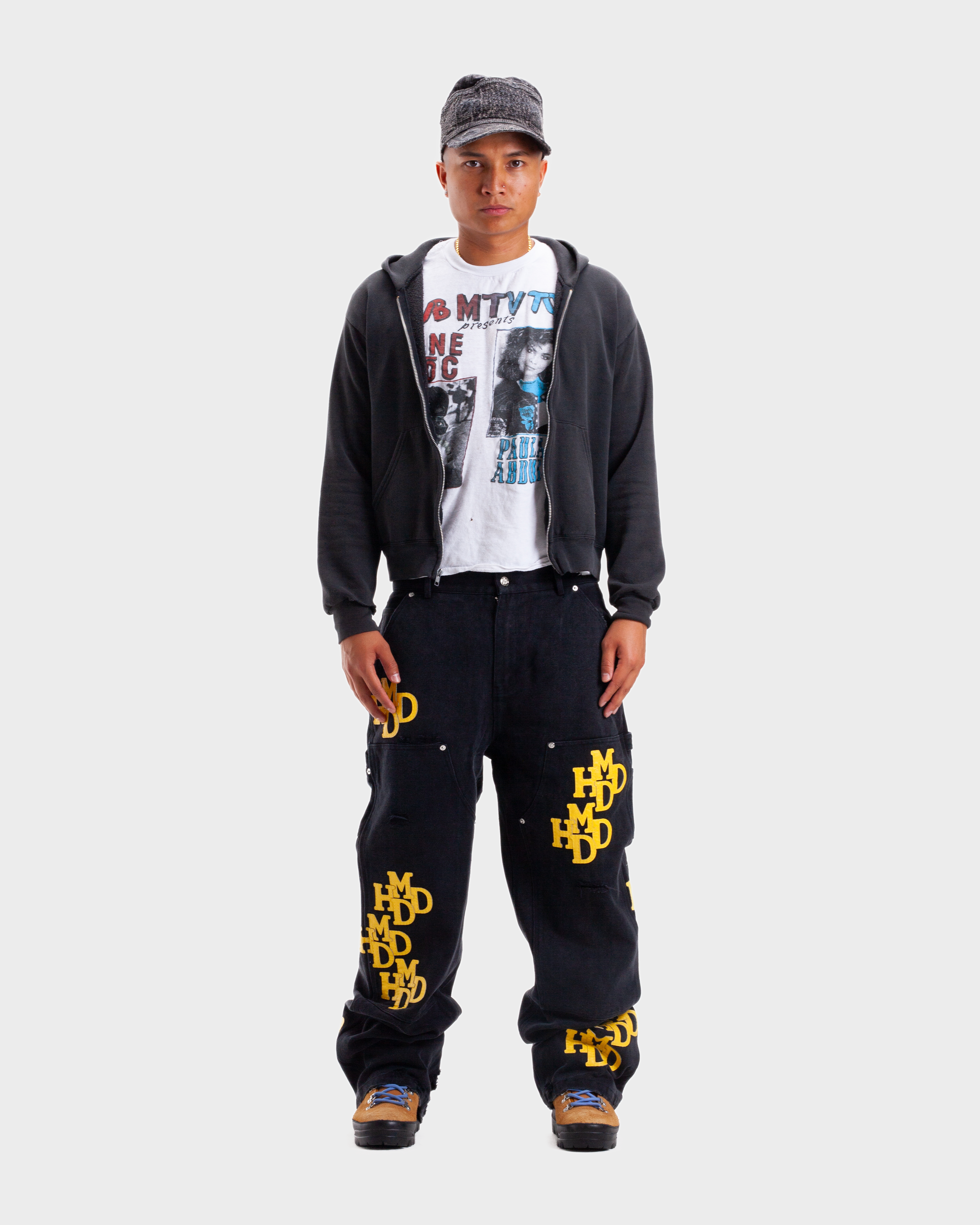
Nothing about this is accidental branding. Grief, nostalgia, and joy are three of the most searched emotional themes in apparel marketing research over the hmddoutlet.net/t-shirts last five years, and HMDD situated itself squarely within that intersection. Shoppers who search “happy memories dont die” or “happy memories don’t die” online are not just searching for a product — they are looking for phrasing that reflects something they already feel. The brand responds to that underlying need honestly, which is part of why the brand has cultivated organic loyalty rather than relying purely on paid reach.
The result is a kind of feedback loop. Shoppers share their own memories tagged with HMDD gear, fellow users notice those posts, and the phrase spreads through real-life experience rather than ads by themselves. That’s tougher to engineer than a snappy tagline, and it is the true mechanism behind HMDD’s growing community.
HMDDLA: Bridging a Hometown Identity to a Worldwide Presence
The HMDDLA brand identity ties the brand to a specific place while letting the brand’s message to travel globally. Los Angeles has served for years as a testing ground for streetwear brands, and HMDDLA plays up that link without sacrificing its underlying emotional core. It communicates a sense of origin and genuineness simultaneously — something that speaks to shoppers wanting assurance that a label has real origins, rather than merely a warehouse and a website.
This interplay between hometown roots and worldwide appeal also shows up in the way HMDD shows up online. Rather than pushing purely aspirational imagery, the brand’s content tends to spotlight genuine customers, authentic settings, and true-to-life captions tied to specific memories. As a result, the distance separating label and shopper is reduced. A shopper does not need to live in Los Angeles to feel connected to HMDDLA; they need to recognize the emotional throughline the location represents.
Community-driven fashion brands that survive past their first few years tend to share this trait: they let customers co-author the meaning of the brand. HMDD’s use of HMDDLA as a geographic and emotional anchor gives fans a specific place to project their own stories onto, which strengthens retention far more than discount codes ever could.
Product as Statement: Sweatpants, Casual Bottoms, and Daily Essentials
A brand narrative only functions if the product carries it. HMDD sweatpants and HMDD shorts are marketed as daily staples rather than infrequent statement garments, and this daily presence carries weight. The more a garment is used, the more moments it comes to hold — a relaxed Sunday, a drive somewhere new, a late night out with friends. Instead of pulling core pieces after only one season, HMDD’s approach to product keeps them steadily circulating, embracing this very effect.
Buyers assessing feel, cut, and lastingness before deciding which garment joins their go-to closet—this is also where “best hmdd clothing” searches usually guide them. Compared with outerwear or occasion wear, sweatpants and shorts get worn far more frequently, which makes them ideal vehicles for a message about lasting memories. With every wear more moments arrive, and the label’s phrase gradually stops feeling ornamental and starts feeling real.
HMDD’s decision to construct its lineup around these staples as opposed to elaborate capsule drops also cuts down friction for new customers.
Whoever is reading a review of HMDD is more likely to be weighing up a pair of shorts or sweatpants they can put on three times a week than a limited jacket they might put on three times a year.
This approachability is built into the community strategy, not separate from it.
Exactly what HMDD Reviews Reveal Concerning Collective Credibility
It’s in reviews that brand promises get measured against real-world experience. At a particular point in the customer’s life, the wearing experience of the item is often mentioned in an HMDD review, which seldom remains confined to stitching or fabric weight. That pattern is unusual. Sizing and textile quality are the primary concern of typical fashion reviews; HMDD reviews, by contrast, frequently blend practical feedback and personal reflection, which is a direct sign the label’s messaging has resonated beyond marketing copy.
For first-time buyers weighing their options between HMDD and other streetwear-adjacent labels, this matters. If reviewers routinely tie emotional context with practical detail, it signals that the “happy memories don’t die” concept is more than words on a hangtag — after buying, people are led to discuss the product in ways shaped by that very idea. That kind of organic reinforcement is difficult for competitors to replicate quickly, since it depends on consistent messaging maintained over time, not just one marketing push.
Season after season, shopper trust accumulates, as each truthful review provides a small boost of trust that future customers can lean on — and since HMDD permits personal accounts appear openly, rather than solely selecting polished styled photography, its review ecosystem has stayed genuine heading into 2026.
Examining HMDD’s Take to Conventional Streetwear Branding
| Comparison point | A conventional street-fashion label | HMDD instead |
|---|---|---|
| Primary message | Anchored in the latest hype | A sense of lasting sentiment (“happy memories don’t die”) |
| Product focus | Drops that are scarce with rapid turnover | Wardrobe staples — sweatpants and shorts — held in steady rotation |
| User-generated content | Carefully curated lifestyle imagery | Real customer accounts tied to specific memories |
| Geographic identity | Rarely tied to a specific place, vague at best | Firmly rooted in HMDDLA, bridging its Los Angeles roots with worldwide presence |
| Culture around reviews | Zeroed in on sizing plus shipping turnaround | Weaves together practical input and individual narrative |
HMDD isn’t neglecting sizing, delivery, or fundamental quality—this comparison doesn’t claim that. Those essentials remain important to the survival of any clothing label. What it highlights instead is where HMDD chooses to spend its creative focus along another route, adding emotional depth to the practical experience most shoppers already expect.
Building Connection, Rather Than Simply Transactions : By Fostering Real Connection Instead
A brand phrase turns into a collective rallying point when it gives customers a motive to engage with one another, not just to the label. Since it leaves room for individual meaning, the brand’s message succeeds. One shopper’s “happy memory” might be a wedding weekend, while another’s might be healing after a hard year. The slogan is broad enough to encompass both readings without feeling generic, and that flexibility is what converts individual purchases into a collective identity.
Social proof plays a role too. When shoppers see fellow shoppers showcasing HMDD clothing alongside real milestones, it reduces the hesitation tied to trying the brand initially. This is especially true for shoppers stacking HMDD up against competing brands while searching for the best HMDD clothing to begin with — joggers and shorts tend to be the natural entry point given their budget-friendly cost and easy day-to-day wear.
Heading further into 2026, the brands that hold customer attention will likely be the ones that give people something to believe, not just something to buy. HMDD’s wager on a single heartfelt phrase, reinforced consistently across HMDDLA identity, product design, and customer reviews, has established it as more than a mere clothing company. It has turned into a small, wearable token that the good moments people live through are worth cherishing — and worth reaching for once more.